

23
July 2025
LET'S MAKE HEALTH EQUAL
Across the UK, lives are being cut short by up to
16 years
Improving our income, homes, work, childhood, communities, and the environment can all help to #MakeHealthEqual.
Right now, too many of us in the UK are being held back from good health. We all want to make the right decisions — eat well, get out more, stay active. But life’s pressures mean we often make these decisions based on time, money and the options we have in front of us.
Not all of us have what we need to live long and healthy lives. Some of us will have things like green spaces nearby where we can exercise and play, warm, safe places to call home, and strong community links to lean on for support and wellbeing. Some of us might be working long hours, juggling multiple jobs, or are struggling to get by after the bills are paid.
These building blocks shape our health and wellbeing. When one building block is missing, our health suffers and when more than one is out of place, it can lead to stress, illness, and even cut our lives short.
That’s why we’re campaigning to change the conversation around health and #MakeHealthEqual.
What shapes health and wellbeing?
We know from the first-hand stories of those who are facing inequality, what the impact can be on our physical and mental wellbeing.
Listen to the experiences of people working on the frontlines of health, housing, the education system, and more.
Meet Louis and Lorcan
Join the growing list of people who have used our postcode look-up tool to find out the life expectancy in their area.
282000
postcode searches
LIFE EXPECTANCY
What can be done to tackle health inequalities?
HEALTH AT THE HEART OF GOVERNMENT
We’re campaigning to make better health a national priority — not just for the NHS, but across every aspect of government. Achieving these health goals requires a cross-government health inequalities strategy — one that recognises health as a shared responsibility.

Our Health Equals Parliamentary Champions Network
Right now, we're building support from MPs who are championing #MakeHealthEqual in Parliament.
As well as campaigning alongside us, they promise to ensure action on the building blocks of health is front-and-centre in national policymaking.
Member solutions
Health Equals is a coalition of over 85 organisations from across sectors and areas of focus who are all working in their own way to solve these problems.
How can I help?
It doesn’t have to be like this. Together, we can make sure the building blocks of health are in place for everyone and create a future where we all have the opportunity to live healthy lives.
Write to your local MP and ask them to commit to #MakeHealthEqual.
Let’s #MakeHealthEqual
Sign up to join our campaign network and receive updates on how you can help shape a society where each of us has the best chance of good health, no matter where we’re born.
Sign up to find out more about our campaigns and how you can help shape a society where each of us has the best chance of good health, no matter where we’re born.
Related campaigns
-
Why is life expectancy different in different areas? The world around us shapes our health and how long we live – from quality homes that are warm and safe, to stable jobs, clean air, neighbourhoods with green space, and social connections. But access to these building blocks of good health varies across the UK, and right now, things like poverty and poor living conditions are damaging health and wellbeing and cutting some lives short.
When we don’t have access to safe, green spaces; our homes are unsafe through disrepair or damp; or we face the stress of rising energy, housing and food costs, these all have a direct impact on our health.
-
Where did you get the life expectancy data from? Health Equals is drawing on data released publicly by the Office of National Statistics. For England, the data covers the years 2015 – 2019. For Wales, Scotland and Norther Ireland, the data covers the 2017 – 2019 period. These are the most recent time periods for which comparable UK-wide data is available which is not affected by the Covid-19 pandemic. The data has been analysed by the Health Foundation.
Our interactive postcode lookup tool provides life expectancies related to postcode district level – this is estimated as an average of the life expectancies in the relevant Middle Layer Super Output Areas (MSOAs) / local authorities which lie within a postcode district.
To account for outliers at the most extreme ends of the range, we’re taking the average of the 10 postcode districts with the highest life expectancy, and the 10 districts with the lowest life expectancy to calculate the gap between the highest and lowest life expectancy areas, which is an estimated 16 year gap.
-
Why have you highlighted geography, aren’t other factors important in determining our health and how long we could live? Our health and wellbeing is not only shaped by where we’re born, but also by protected characteristics (such as our race, sex, age or if we have a disability), and if we’re part of a marginalised or socially excluded group.
We’ve chosen to focus our campaign on the impact of where we are born and live in the UK, to show how the building blocks of health such as housing, income and air quality are not available to everyone equally, meaning that our geography can have a significant impact on our health. However, change isn’t out of our control – things can be better if we make sure that action is taken to prioritise the building blocks that act as vital cornerstones of our health.
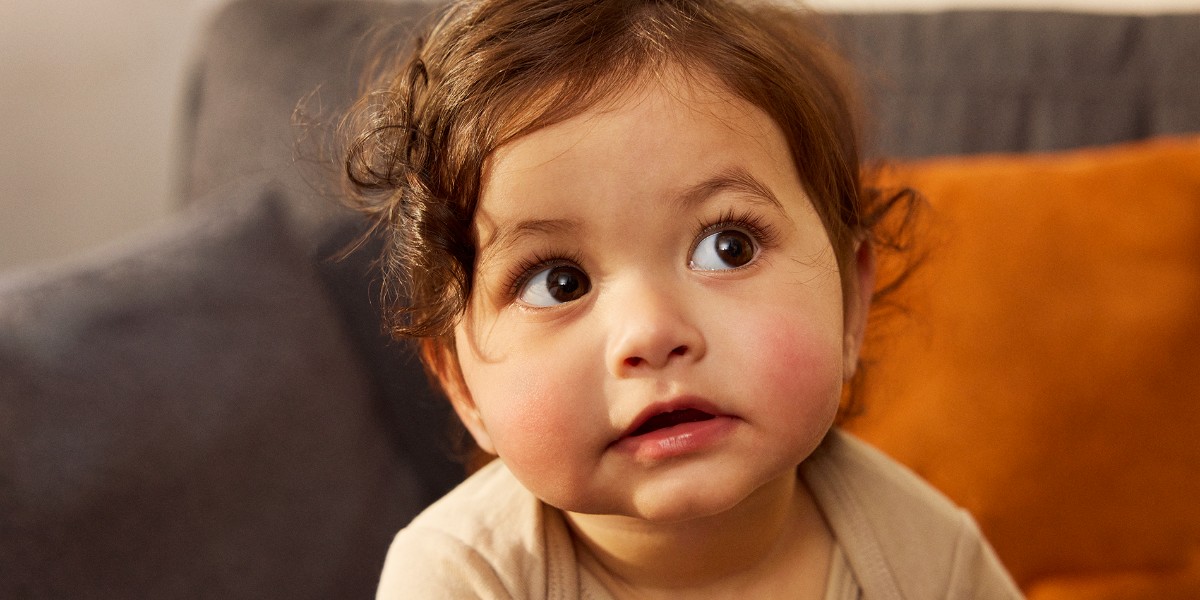
While the babies in our campaign include a mix of gender and ethnicities, we are not focusing on the impact of these characteristics on health. Similarly, we are not featuring babies with a health condition or disability, which may have specific impacts on their health outcomes and life expectancy.
-
Where can I go for support related to the issues raised? We understand that it is a sensitive matter. If you’ve been affected, please visit our support page.
Not found what you’re looking for?
X
Ask your MP to #MakeHealthEqual
With your help, your MP can commit to making equal health a reality.
Write to them