11 December 2025
Why we need a change in the law to close the UK’s life expectancy gap
21 May 2026

Senior Policy Fellow
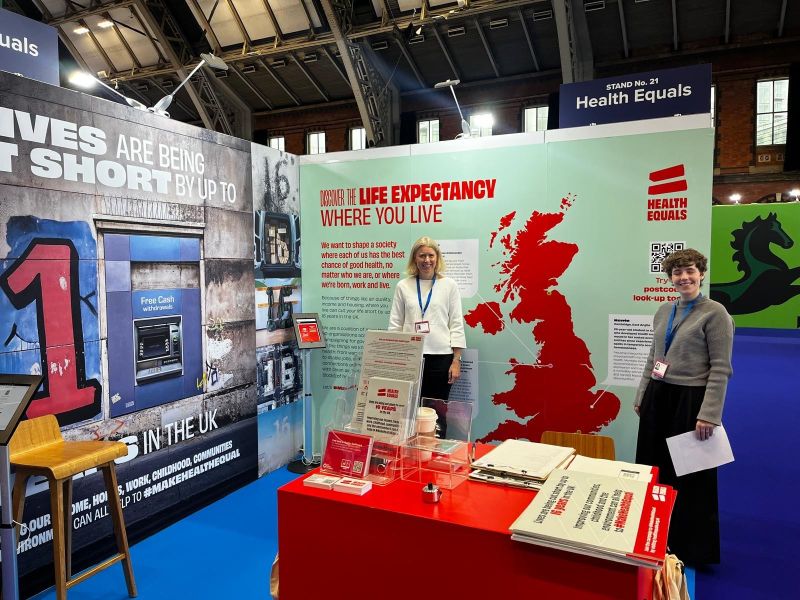
Health inequalities aren’t an abstract policy problem – their impact on people’s lives is painfully real, determining not just how long people live, but how much of that life is spent in good health. In the UK today, someone’s postcode can mean a difference of up to 16 years in life expectancy. In some areas, people aren’t only living shorter lives – they’re living them in worse health.
But health inequalities don’t just affect those at the sharpest end. When large parts of the population are living shorter, less healthy lives, it weakens the fabric of our communities – straining families, services and local institutions. The impact isn’t just personal; it is social and economic too, driving economic inactivity, placing pressure on public services, and holding the country back while so many lives are cut short.
This is something we can’t ignore. Without decisive action, these inequalities will keep widening.
What we’re calling for
That’s why we’re calling for a change in the law to drive decisive, coordinated action on health inequalities across government. That means setting clear targets to reduce inequalities, requiring a cross‑government health inequalities strategy to restore the building blocks of health, and ensuring ministers consider health impacts when developing major policies – backed up by proper reporting and accountability.
We believe people’s health deserves the same seriousness of response Parliament has shown in other national crises.
Ambition without delivery
The government has offered a vision of “a fairer Britain, where everyone lives well for longer”, with an ambition to halve the gap in healthy life expectancy between the richest and poorest areas while improving health for everyone. But right now, there’s a gap between ambition and delivery.
The problem isn’t a lack of good intentions. It’s that without a clear legal framework, responsibility for health inequalities gets pushed around the system. There are no firm timelines and priorities slip when politics changes.
Crucially, government departments outside health continue to make decisions on housing, transport, work or the environment without having to consider their impact on people’s health – baking inequality into policy from the start. Some policies are actively making things worse: the housing benefit freeze is driving homelessness, the delay to decent homes standards leaves renters in poor conditions, and low sick pay forces people to work when ill or fall back on benefits.
Falling behind internationally
Recent data from The Health Foundation underlines how serious this is. Over the past decade, healthy life expectancy in the UK has fallen by around two years, placing us near the bottom of comparable high-income countries. Only the United States now performs worse.
This didn’t happen overnight. Improvements in life expectancy have stalled for more than 15 years. Public spending decisions, the COVID‑19 pandemic and the cost‑of‑living crisis have all widened inequalities further.
Learning from the Environment Act
We’ve seen what happens when Parliament does act decisively. Faced with the environmental crisis, it passed the Environment Act, setting targets, creating legal duties and establishing independent oversight. While many would rightly argue it hasn’t solved the problem, that framework has at least helped lock in progress across political cycles – incrementally moving the dial and keeping the issue visible.
People’s health deserves the same level of ambition and protection.
Public support and real opportunities to act
Research by Public First and IPPR shows that this approach has strong public backing. People understand that health is shaped by the homes we live in, the air we breathe, the jobs we do and the money in our pockets – not just by the NHS. Improving health means working across government and treating good health as a shared national priority.
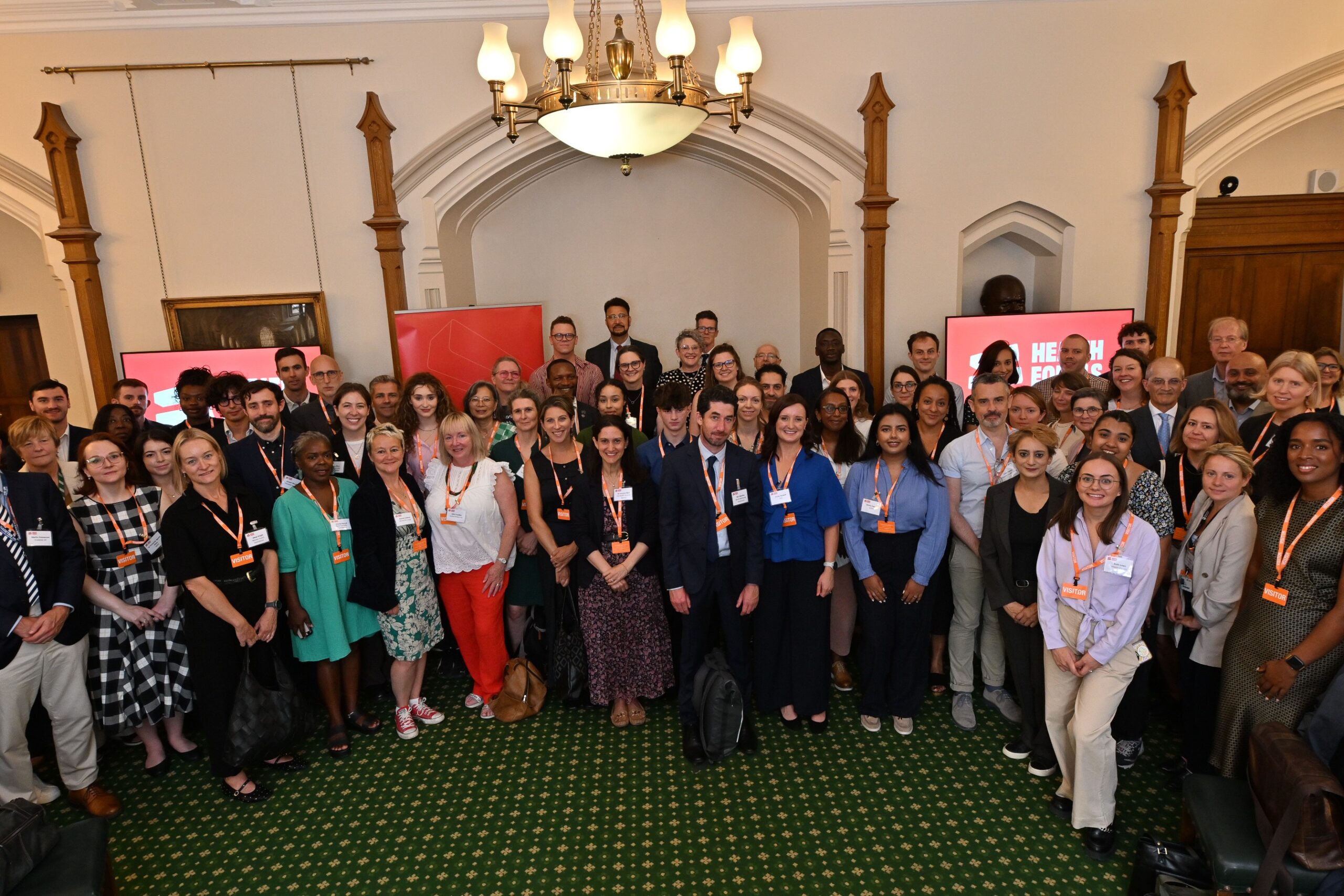
There are real opportunities ahead. The Health Bill and potential Private Members’ Bills offer routes to legislate. We’re working with lawyers, our network of cross-party parliamentarians and our coalition of over 100 cross-sector organisations to make sure these chances aren’t missed. Right now, you can also play a part by writing to your MP and asking them to back our amendments to the Health Bill.
Health inequalities aren’t inevitable. But without a strong legal framework, they will continue to grow. If the government is serious about giving everyone a fair chance at a healthy life, now is the moment to act.