How we learn and grow

Our health is shaped long before we reach adulthood.
From the very beginning, our early relationships and experiences play a key role in building the foundations for lifelong health. When children grow up surrounded by support, care, and positive experiences, they’re more likely to develop confidence, resilience, and healthy habits that stay with them for life.
A good education builds on that foundation. It opens doors: to further opportunities, secure work, financial stability, and better health outcomes. The skills we learn as we grow help us cope with life’s challenges, and the friendships and support systems we form in childhood shape our emotional wellbeing well into adulthood.
But not all children have the same start in life
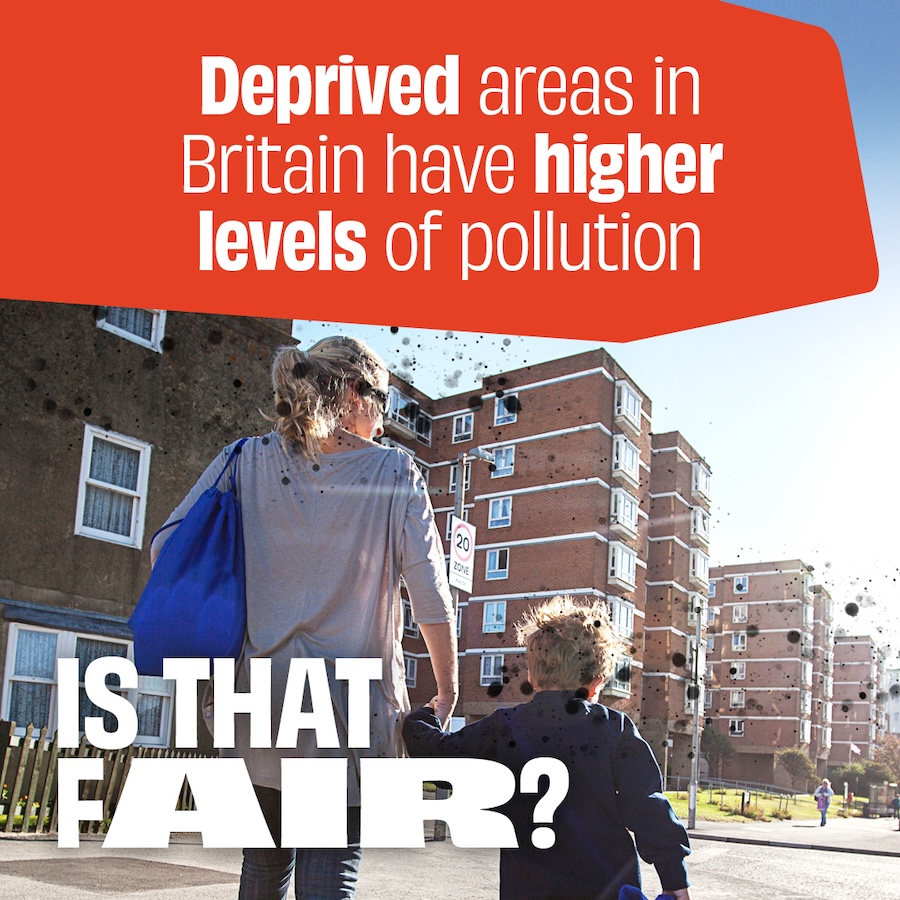
When our childhood is marked by hardship, like poverty or upheaval, it can leave lasting scars, increasing the risk of stress, mental health struggles, and physical issues down the road. When things start to pile up, over time it can take a serious toll on their mental health. Being able to lean on family for emotional support is one of the most powerful ways to protect young people’s wellbeing. But whether that support is enough often depends on what’s happening around them. Social and financial pressures — like poverty or parents’ work schedules — can shape how much time, energy, and stability families are able to offer.
And when children face inequality, it creates barriers that are hard to break.
Some go to school hungry. Others don’t have quiet places to study or lack access to the resources they need to thrive. We know that children from low-income families are less likely to achieve top grades, stay in further education, or move into fulfilling, secure employment. Many are at greater risk of falling out of education, employment, or training, which can have lifelong consequences for their health.
Amanda works as an education psychologist, supporting children in care currently being looked after by the local authority.
The underlying need, because the children that we’re working with are all in care, is that there is always a trauma basis to their behaviour.
Healthy futures begin in childhood
Every child deserves the chance to grow, learn, and thrive in a safe and supportive environment — because education and early life experiences shape our future, and our health.

OUR
MEMBERS & SUPPORTERS
Meet our members and supporters who are working to support children and young people’s start in life.






Read the latest insights on how our early years and education shape our health.