09 October 2025
A year of momentum and growth: how our coalition and Parliamentary Champions Network came into their own
11 December 2025

Policy and Engagement Manager
If this year has shown us anything, it’s that when people across sectors and across Parliament come together around a shared vision for a healthier UK, momentum towards change builds at pace.
A coalition that more than doubled in size
We started 2025 with 47 members and supporters in our coalition. Today, we stand at 105.
Our growth tells a larger story. Health organisations, expert organisations from across the building blocks of health, businesses, universities and trade unions are choosing to join us, recognising that health is determined not only in health and care settings, and individual choices people make, but in the places where people live, work, and spend time. The coalition gives them a common platform to act on that understanding.
Businesses play a major role in shaping people’s health, and this year showed that many are ready to engage. Increasing the diversity of our membership and voices we represent is a priority for us next year, and we’re looking forward to working with a range of organisations who want to use their resources to help shape a fairer, healthier future.
The Parliamentary Champions Network: from an idea to 112 MPs in just over a year
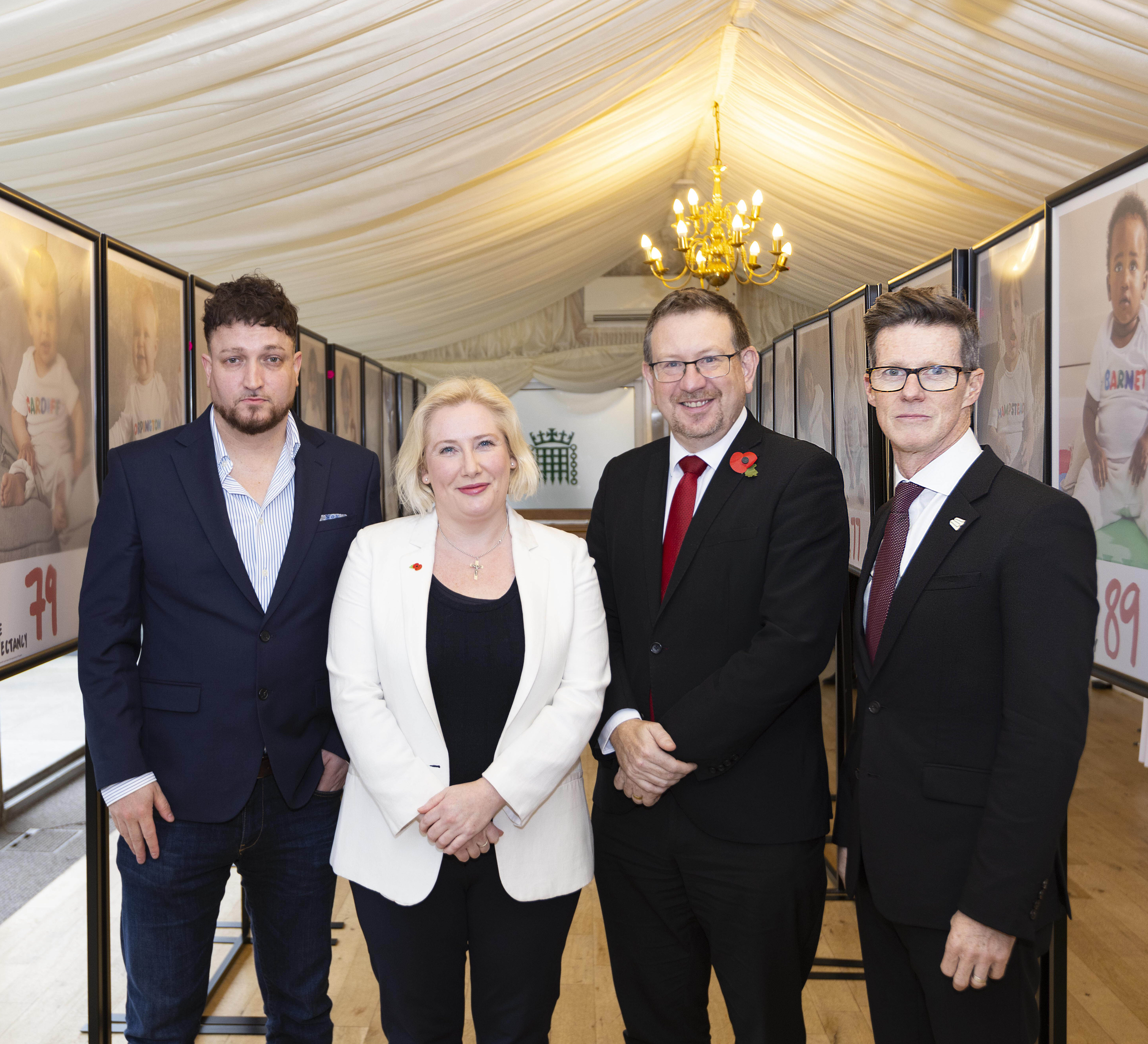
If the coalition is our engine, the Health Equals Parliamentary Champions Network (PCN) has become our fuel. In just over a year, it’s grown to 112 MPs from across the major political parties – a sign that the issues we work on are being felt in constituencies across the country, and that MPs see value in being part of a national effort to restore the building blocks of health.
What’s been striking is the demand from MPs themselves: for local data on the building blocks of health; for connections with our expert members; and, for insights that help them work with their constituents, with their party and with government, to reframe quality housing, good work, clean air, and fair incomes as more than just “nice to haves” – but as the foundations of our health and wellbeing.
This year, we saw our work directly shape parliamentary debate.
Real policy change
Some major wins included support for The Wildlife Trusts which helped secure an amendment on determinants of health in the English Devolution Bill – ultimately tabled by the Secretary of State. We also worked with The Food Foundation to help secure the extension of free school meals to all children from households eligible for Universal Credit.
Debates rooted in our insight
Our life-expectancy data directly triggered parliamentary debates: Maureen Burke MP used it to secure a Westminster Hall debate on poverty and low life expectancy, and Afzal Khan MP led a debate on community health, telling us, “We couldn’t have done it without your support.”
Everyday parliamentary impact
Champions have taken over 40 wide-ranging actions, from media quotes to PQs – showing their personal commitment to driving the agenda forward. This included Neil Duncan-Jordan MP who spoke passionately about the social determinants of health during a welfare debate, adding backbench pressure that pushed the government to rethink its plans.
Member evidence influencing the PCN
Tailored briefings built on member insight are landing. Using Crisis’ data on private rental affordability, Shockat Adam MP highlighted how few homes in Leicester South are affordable on local housing allowance.
A shifting national narrative
Our framing also resonated nationally: the 10-year life-expectancy gap between Blackpool and Hampshire was cited by Wes Streeting and DHSC, while a letter we worked with Alex Sobel MP on made The Guardian’s headlines.
It’s a sign that health inequality is moving up the agenda and we’re at a tipping point.
Why this approach worked
From debates to amendments to national media, our language, our evidence, and our ideas are showing up in places that matter and helping to shift the dial on what people believe shapes health. Reflecting on all of this, a few lessons stand out:
- MPs join because the issues are real where they live
Poor-quality housing, struggling communities, unaffordable rents – these aren’t abstract policy debates. They’re local realities. The PCN works because MPs see those realities, their impact on health and want to connect them to national solutions. - Data plus connection is powerful
MPs value robust data, but they really value being able to connect it to stories, expert members, and practical insight. Our coalition gives them a network they can draw on. - Cross-sector voices make our message stronger
This year proved that health, poverty, housing, environment, and economic fairness aren’t separate conversations. They’re one conversation, and bringing diverse actors together makes the case harder to ignore.
Looking ahead
We end this year bigger, bolder, and more connected than when we started. The coalition is growing. The PCN is energised and active. And across government, there’s growing recognition that the building blocks of health deserve serious political attention.
If this is what just over a year looks like, the potential for the next year is enormous. Together, we’re shaping a movement that is finally giving health inequality the cross-government, cross-sector, cross-party attention it demands.
If you want to keep up with our progress and future wins, follow our campaigning journey by signing up to our mailing list.